What our Google Ads AI agent actually does every morning
 Otso Karvinen · Co-founder of Parvi
On this page
A Google Ads AI agent is software that checks and optimizes Google Ads accounts the way a person would, only every day and without getting bored. Ours runs every morning at 8, goes through one of our accounts, fixes the obvious things on its own and sends me a short list of everything else to approve.
I wrote about agentic marketing more broadly before. This is a closer look at one agent that runs every day, what it actually does and how it earns trust.
I recorded a short take on it when I posted about it:
The daily checks
Every morning the agent goes through the same basics a good account manager would:
- Is the account actually running, and is it pacing on budget?
- Are there any disapproved ads or other policy problems?
- How is it doing against its goal, whether that’s a conversion goal, a target ROAS or something else?
- What did people actually search for? It reads the search terms and blocks the obvious junk with negative keywords.
None of this is glamorous, but these are the checks that slip when people are busy, and they cost money when they slip.
Less often: tired ads and new copy
Depending on how much traffic an account gets, the agent also checks whether some ad headlines are wearing out. When they are, it proposes new headlines and descriptions. Those come to me as proposals, never straight into the account.
Every week and month: a full audit
On top of the daily round, the agent runs a full Google Ads audit on a weekly and monthly cycle. It’s the same kind of check we do in a Google Ads audit at Parvi, only on repeat.
What it does on its own, and what comes to me
From day one, the agent can do a few things on its own, like blocking search terms that are obviously junk.
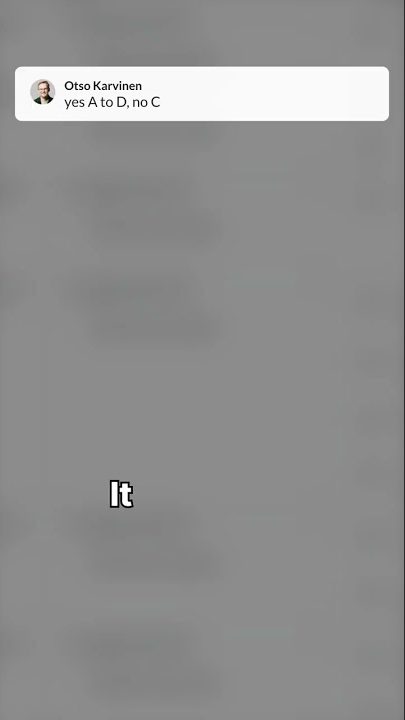
Everything else comes to me as a lettered list in Slack. I reply with something like “yes A–D, no C, take into consideration X going forward”, and the agent applies only what I approved.
How it learns: every no comes with a reason
When I say no or edit a line, I give a reason, and the reason goes into the agent’s rules. Every answer is a lesson.
The agent does get things wrong, especially in the teaching phase. With search terms it gets both kinds of mistakes: it suggests blocking a term that’s actually a buyer searching, and it lets through a term that should have been blocked. Language is full of nuance. Take two Finnish searches that look almost the same: “siivous Helsinki” (cleaning in Helsinki) is almost always someone buying the service, while “siivooja Helsinki” (a cleaner in Helsinki) can be a buyer or someone looking for a cleaning job. A person sees the difference at once. The agent has to be taught it.
Even so, the hit rate is really good. And because every correction becomes a rule, the same mistake gets rarer.
How a type of decision earns autopilot
When a type of change gets 20 approvals in a row without edits, it goes on autopilot. A single no sends it back under supervision, and the decisions on autopilot get audited periodically too.
In a lot of our accounts, search term cleanup and bid changes within a set threshold have graduated this way.
Some things never graduate without a new decision from me: budgets, bid strategy, ad copy and anything touching the brand. Those stay human calls.
Why treat it like a new hire
To me this is the right way to hand work to an agent. It’s the same way you’d let a new hire take over: lots of discussion at first, then more and more autonomy as they show they get it. I wrote more about where I draw those lines in what you should actually let a marketing AI agent do.
Google is building its own agents into the platform too, like Ads Advisor. The difference with an agent you run yourself is that it follows your rules and learns from your corrections, not just Google’s recommendations.
This is the setup behind our Google Ads management at Parvi: the agent does the daily rounds, and a person makes the calls that matter.
FAQ
What is a Google Ads AI agent?
A Google Ads AI agent is software built on a large language model that checks, analyzes and optimizes Google Ads accounts. Unlike a single automated rule, it can look at the whole account, decide what needs attention and propose or make changes, usually with a person approving the bigger ones.
Can an AI agent manage Google Ads on its own?
Partly. In our accounts the agent handles clear-cut work like blocking obvious junk search terms on its own, and earns autonomy for other change types by getting approvals. Budgets, bid strategy, ad copy and anything touching the brand still need a person's decision.
What is the difference between Smart Bidding and a Google Ads AI agent?
Smart Bidding sets bids inside Google's auction toward a goal like target CPA or ROAS. An AI agent works one level up: it checks that the account runs and paces right, cleans search terms, spots tired ads and audits the setup, including whether the bidding setup still makes sense.

Written byOtso Karvinen
I design and build agentic AI systems for marketing and sales teams. Co-founder of Parvi.